

X
Table of Content
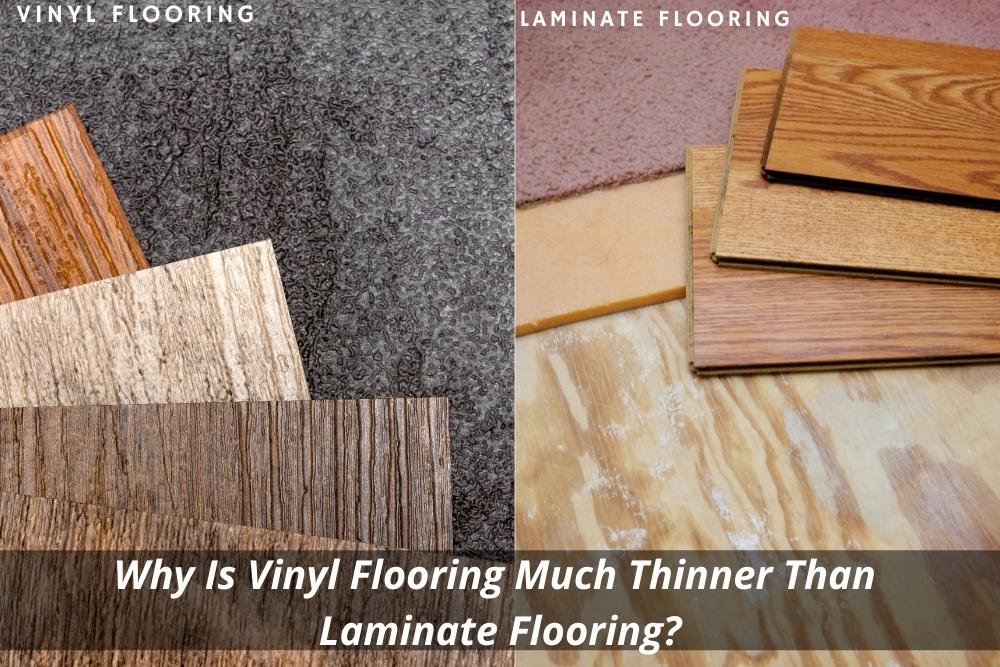
Vinyl And Laminate flooring are becoming very popular due to their durability and low maintenance requirements. They also look great in any home or office space. So, we will discuss why vinyl flooring is much thinner than laminate flooring.
Vinyl flooring has become extremely popular over the last decade because it looks good, lasts longer than other types of flooring, and requires little care. The problem is that some vinyl flooring is thicker than other brands.
There are two main reasons why vinyl flooring tends to be thicker than laminate flooring. First, vinyl flooring comes from a single sheet of material. This means that they tend to be thicker than laminated flooring. Second, vinyl flooring is usually installed using adhesive rather than nails. Nails tend to pull out over time, causing the floor to crack and peel away. Adhesiveness helps prevent these problems.
Which one is better: Vinyl or Laminate Flooring?
Both vinyl and laminate are incredibly durable options for your floor. Some people prefer vinyl because it’s more affordable but others choose laminate because it can withstand higher traffic areas like kitchens and bathrooms. It’s important to consider your needs when choosing between vinyl and laminate flooring as each option has its own benefits.
Laminate Flooring
Laminate is made up of several layers including an acrylic base, hardwood veneer, and plastic backing. Because this type of flooring is glued down with adhesives, it’s more likely to stay intact throughout the lifetime of the installation. One downside is that you need to keep the room temperature below 77 degrees Fahrenheit to avoid warping the surface of the floor. You will also want to make sure not to walk on the floor if it’s wet since water acts as glue and could cause the laminate to stick together.
Vinyl Flooring
Vinyl is considered by many to be the best flooring option over the long term. Many homeowners have had their vinyl floors replaced after 10 years of use. Vinyl floors are easy to maintain and require no specific care. They come in an array of colours and patterns which makes them versatile and customizable. They don’t stain easily and provide excellent traction for high-traffic rooms such as kitchens and bathrooms. Vinyl can even be used as a ceiling covering and is highly durable. Unfortunately, most vinyl flooring is slightly thick compared to laminate.
Conclusion:
It’s really hard to say which choice is better. Both vinyl and laminate are great options for a variety of flooring applications. If you’re looking for something durable that won’t show signs of wear and tear, then vinyl may be a perfect choice. If you’d rather have a floor that’s easier to clean, then you might benefit from laminate flooring. In either case, you’ll be able to create a beautiful floor that doesn’t take a lot of work to maintain.
Laminate Floor Installation
First, let’s explain what laminate flooring actually is. Laminate flooring is created by gluing multiple layers of materials onto plywood. The most common types include engineered wood, bamboo, cork, linoleum, linseed oil, and marble. These different floor coverings help create a unique look. The primary difference between laminate flooring and vinyl flooring is that laminate isn’t glued down. Instead, it sticks onto the subfloor while vinyl flooring is usually attached with nails or screws.
Laminate flooring is relatively thin and easy to install. Most manufacturers recommend at least 18mm (¾ inch) of space between the baseboards to ensure proper ventilation. The installation process itself takes approximately 1 hour per square foot. After installing the flooring, however, you must sand it smoothly so that it’s ready for finishing.
Vinyl Flooring Installation
With vinyl flooring, most people tend to believe that the entire process is done automatically. This couldn’t be further from the truth. Since there are so many components involved, it’s crucial to choose a reputable installer who knows exactly what they’re doing before starting the project. To begin the installation, you should first remove any existing flooring. Next, cut out a hole in the wall using a jigsaw. Make sure that the hole is big enough for the new flooring. Then, mount a sheetrock backer board to the backside of the subfloor. Finally, lay down the new flooring and apply a layer of adhesive. Lastly, press down the seams and edges together. Once this is complete, simply finish up the floor and enjoy your brand-new look!
The main reason why vinyl flooring has become popular among homeowners is that it’s incredibly affordable. It also comes in a wide variety of styles and material choices. You can find inexpensive vinyl tiles or luxurious vinyl planks. There are also various designs available including geometric shapes like squares, circles, and rectangles; more traditional patterns like chevrons, checkers, and stripes; and classic solid colour options. If you want to add warmth to your room, try adding wooden strips underneath the vinyl to give it a finished look.
Other benefits include:
- Easy to Clean – Vinyl floors are extremely easy to keep clean compared to other types of flooring. They don’t require waxing or sealants and stains can be easily removed with just soap and water.
- Durable – Because of their lightweight construction, vinyl floors can last up to 30 years. Even if they do get damaged over time, they will still stay intact. On top of that, they’re very easy to repair as well.
- Low Maintenance – Unlike carpets, vinyl floors don’t need to be vacuumed every day. All you have to do is sweep once every week or two depending on how often you use them. If you spill liquids on the floor, wipe them off with a damp rag instead of scrubbing with a sponge. When cleaning the floor, take care not to scratch the surface since vinyl is susceptible to scratches. For hard-to-remove stains, use an eraser to gently rub the stain away.
- Eco-Friendly – In case you’ve been wondering, yes, vinyl flooring is eco-friendly. It uses 80% less energy than carpeting and emits 60% fewer greenhouse gases. It also doesn’t contain harmful chemicals which means it won’t harm children or pets.
- Versatile – While vinyl is ideal for homes with kids, pets, and busy lifestyles, it’s also great for rooms where there’s heavy traffic, such as entryways, dining rooms, kitchens, living rooms, and hallways. It’s even perfect for commercial spaces such as restaurants, retail stores, hotels, offices, and gyms.
Vinyl Flooring Tips
Before installing vinyl flooring, make sure that you have all the necessary equipment and materials ready. First, buy some sandpaper sheets and a plastic cutting mat. Next, purchase a small amount of drywall joint compound and a caulking gun. Additionally, make sure that you know exactly how you want your floor to look and feel. Before laying down the vinyl, draw out a rough sketch of your space so that you know where each piece needs to go. Don’t forget about the baseboards and walls too. Think about whether you want to paint these items or leave them natural.
- Choose The Right Material – Most vinyl tile manufacturers sell a wide range of different materials in addition to a standard vinyl tile. You may opt for a high gloss finish or matte finish. Depending on what kind of effect you want, you can choose from several finishes. To achieve the best results, you should stick to the type of vinyl that was used in the manufacturing process. If possible, ask your installer to show you samples of his work before making a decision.
- Install The Baseboard – One common mistake homeowners make when installing vinyl is leaving gaps between the wall and the floor. This is especially true if you’re using the same material for both the floor and the wall. Be sure to install the baseboard first because this job is critical to the overall look of the project. If you’re having trouble attaching the baseboard, consider ordering custom-made wood mouldings. These mouldings come in several sizes; most importantly, you can order one to fit perfectly around any door frame or window sill.
Laminate Flooring Tips
Laminate flooring is a type of hardwood flooring that is manufactured in sheets (or planks) using an adhesive resin material called melamine. This product can be installed over existing floors, making them easier to repair and maintain than traditional wood floors. However, laminate flooring isn’t suitable for everyone. Although it’s easy to install, it requires more maintenance than other types of flooring. Laminate floors are available in several colours, styles, and textures. They can be made into tiles, plank flooring, sheet flooring, or floating flooring.
- Choosing A Style – When considering which style of laminate flooring to use, think about the colour scheme of your home. For example, if you live in a modern house, you might prefer a grey or black tone. Or, if you live in an old Victorian home, you’ll probably want something more classic. Whatever your preference, be sure to pick a style that will complement the rest of your decor.
- Installation – Because laminate flooring is relatively new, the installation has been tricky at times. Some brands require special tools, while others can be installed by hand. In general, though, laminate flooring is fairly straightforward to install. Just follow the manufacturer’s instructions carefully, and remember to apply enough pressure to ensure good adhesion.
- Maintenance – Like many other kinds of flooring, laminate flooring does need regular care. It’s important to clean spills immediately and keep up with routine cleaning. Make sure to vacuum regularly, and mop every few days to remove excess moisture.
- Cost – While laminate flooring is less expensive than solid wood, it still costs money. But, it’s worth investing in if you value aesthetics and durability.
-
Carpet FlooringHow Do Floor Layers Ensure Quality Carpet Installation?30 Sep 2025

-
Carpet FlooringHow to Choose the Best Type of Carpet for Your Home?15 Sep 2025

-
Carpet TilesIs Carpet Tile Installation Better Than Carpet Rolls?3 Sep 2025
-
Carpet FlooringHow to Lay Carpet on Tiles Without Damaging Your Floor?26 Aug 2025
-
Carpet FlooringWhich Carpet Installation Methods Suit Busy Households?19 Aug 2025


