
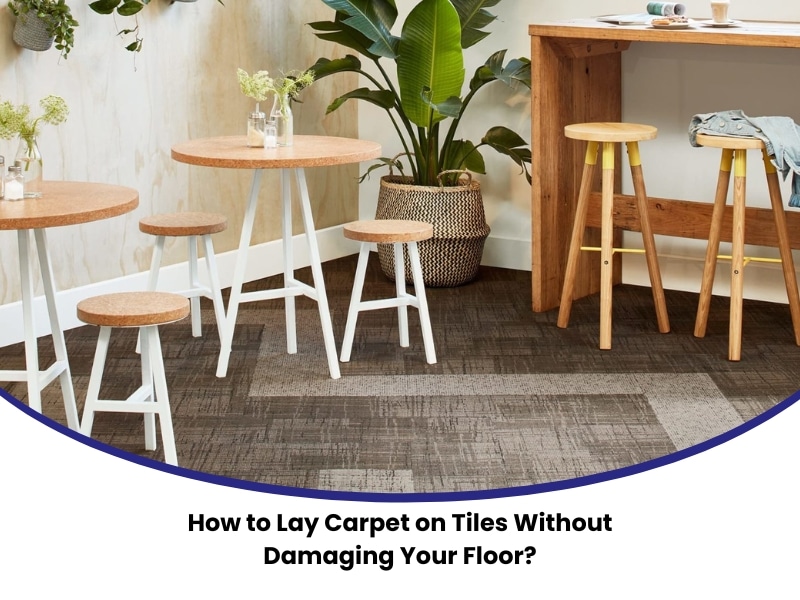
Got the chill creeping up from cold tiles again? Can you toss carpet over the top without turning your floor into a mess? You’re not alone. Especially in older homes or rentals, tearing up tiles isn’t always an option. That’s where knowing how to lay carpet on tiles comes in handy—it’s a way to warm things up without the demolition drama. This article walks through the curveballs you might face, the prep work that makes all the difference, and how to do it all without putting your original flooring at risk.
What challenges do people face when installing carpet on tiles in older homes?
Old tiled floors—a bit of a mixed bag, aren’t they? One room’s level is consistent, while the next has grout gaps that could swallow a coin. And don’t get started on the shiny tiles that won’t hold glue. These small things? They’re precisely what turn a “quick carpet job” into a full-day project. Here are the usual suspects you’ll run into:
- Uneven tile surfaces: A little dip here, a bump there—and suddenly your carpet looks like it’s had one too many.
- Grout lines that telegraph through: No underlay? Those grout lines are going to show like ghost marks under the carpet.
- Loose or hollow tiles: Tap around and listen. If it sounds hollow, it needs fixing before things get out of hand.
- Adhesion Issues: Glossy Finishes or Tile Sealants? Glues hate them.
- Old tile damage: Minor-looking cracks or chips can affect the finish over time, potentially compromising the overall appearance.
Choosing modular options can help. For instance, consider reliable carpet installation over tiles for lasting results. This option offers easier adjustments and less commitment, as it comes in full rolls. Older floors often need extra prep—but with the right know-how, it’s manageable.
How much extra does carpet installation cost on tiles?
Right, let’s talk dollars. People often flinch at quotes for laying carpet over tiles—and fair enough. But there’s a good reason for the higher tag. It’s not just about installing flooring; it’s about the preparation, tools, and technique needed to make it last. Here’s where that extra cost comes from:
- Surface levelling: Wobbly or uneven tiles? You’ll likely need a levelling compound. That means extra time and material.
- Tack strip trouble: Regular strips don’t always play nice with glossy tiles. You may need adhesive-backed ones or to drill holes in them.
- Sticky situations: High-tack glue or double-sided tape is often the go-to choice—especially for high-traffic areas like hallways.
- More waste: Tile patterns aren’t always square. That means more cuts and more offcuts.
- Tricky labour: These jobs just take longer, no two ways about it.
And here’s a rough idea of how it adds up:
| Component | Standard Subfloor | Over Tiles |
| Base install (labour/sqm) | $35–$55 | $45–$70 |
| Underlay cost (per sqm) | $10–$20 | $15–$25 |
| Prep and cleaning | Minimal | Moderate–High |
| Estimated total | $45–$75 per sqm | $60–$95 per sqm |
Thinking about other subfloor options, too? Knowing how to install carpet on concrete or tiles might save you a few bucks, depending on your setup. Either way—budget for prep. It’s the bit you’ll regret skipping.
Does surface preparation affect results in carpet fitting?
Short answer? Yep. Long answer? Still, yep—but let’s unpack it. Carpet laid straight over tiles without prep is like paint on a dusty wall. It won’t hold, it won’t last, and it definitely won’t look right. Here’s what needs doing first:
- Proper cleaning: Not just a quick mop. Degrease it, scrub it, dry it—remove every bit of old grime.
- Fill the gaps: Chips, cracks, dodgy grout? Patch it up or prepare for lumpy carpet.
- Moisture check: A wet base is a mould party waiting to happen. Fans help. Or let it air dry overnight.
- Test tile stability: If a tile moves, your carpet will likely move as well. Settle it before moving on.
- Sand the shine: Lightly sanding glossy tiles gives adhesives a bit more to grip onto.
Here’s the thing—learning how carpet layering varies through seasons is a must. It’s about laying it down right. Skipping prep is the fastest way to a redo.
Why hire a professional for carpet installation over tiles?

Look, you could go the DIY route. No one’s stopping you. But if you’ve never dealt with tile subfloors before, it’s a bit of a minefield. That’s why a pro makes a difference—especially one who knows how to lay carpet on tiles without damaging the original floor. Here’s what they bring to the table:
- Glue know-how: Not all adhesives are created equal—and a pro knows which ones stick and stay.
- Sharp cuts, snug fits: Wall edges, door frames, stairs—they’ll nail those details.
- On-the-spot problem solving: A tile moves mid-prep? They’ll fix it without blinking.
- Speed: What takes a newbie all weekend might be wrapped up by afternoon tea.
- Warranties: Most pros offer coverage—DIY doesn’t.
Many started as floor covering installers, trained on the job, learning what works and what doesn’t. Their experience saves you from the “should’ve known better” moments.
How to lay carpet with underlay for better insulation and comfort?
If you ask anyone who’s done it before, they’ll tell you—[how to lay carpet on tiles] properly always starts with the underlay. It’s not just padding. It’s insulation, noise control, and surface stability all rolled into one. Here’s what you need to get right:
- Choose the right type: Dense foam or rubber options rated for tile use work best.
- Stick it properly: Use double-sided tape or tack strips—safe for tiles and strong enough to hold them securely.
- Cover every bit: No overlaps, no gaps. Wall-to-wall for even support.
- Method match: Some rooms work better with stretch-fit, while others require glue-down. Know which is which.
- Smooth it out: Before the carpet is installed, press down to eliminate any air bubbles.
Bonus tip: Some underlay types are underfloor heating-friendly—perfect if you’re in Sydney and don’t fancy cold feet in winter.
Final thoughts
At the end of the day, how to lay carpet on tiles isn’t about shortcuts. It’s about understanding what’s under you and making wise choices on top of it. Done right, you’ll get warmth, comfort, and a solid finish—without pulling up a single tile. If it feels a bit too fiddly or you’re unsure where to start, that’s okay too. Find out why Cosy Group is trusted for carpet installation—because the first go should always be the best one.