
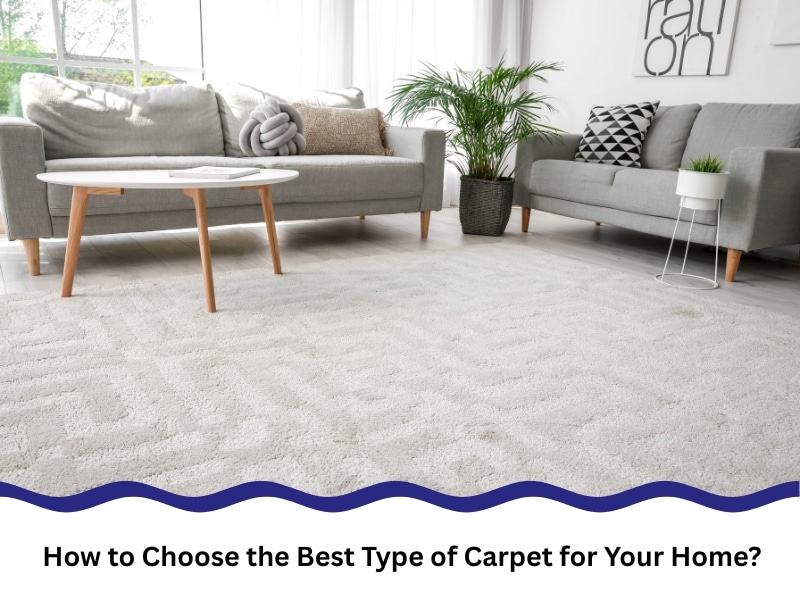
What’s the best type of carpet for your home really depends on how you live day-to-day. You might love the soft, fluffy feel of one sample, but if your hallway sees a hundred footsteps daily, that plush option may not last. Then there’s the sun, the kids, muddy shoes—it all plays a part. It’s a real balancing act between comfort, durability, and style. This article explores how to pick a carpet that holds up and still looks great—no regrets.
Why is it hard to choose the right carpet for your home?
It’s tricky because there are so many choices, and they all promise something slightly different. You’re choosing between softness and strength, stain resistance and colour, cost and longevity. It’s easy to feel lost. Here are the reasons why carpet selection feels overwhelming:
- So many fibre types exist, and each has its own feel, cleaning needs, and price point.
- Room usage varies a lot, so what works in one room might not work in another.
- Colours and patterns can be deceiving, looking different in your home than in the showroom.
- Marketing jargon clouds clarity, with terms like “plush” or “luxury” thrown around without specifics.
- Underlay is often ignored, though it makes a huge difference for comfort and wear.
You’ll get more confidence once you break it down to what matters most in each room.
What problems can poor carpet choice cause over time?
A bad match can leave you frustrated month after month. That bright carpet might look great at first, but sooner or later, you’ll see flattening, staining, or fading. And then you’re stuck. Here are the consequences of choosing the wrong carpet:
- Foot traffic flattens low-quality piles, leaving worn paths and uneven surfaces.
- Stains set in permanently, especially if the fibre doesn’t resist spills well.
- Improper underlay causes discomfort, especially under bare feet in the lounge or bedroom.
- Mould and dust mites thrive, especially if the carpet traps moisture.
- Inadequate thermal resistance adds to bills, letting cold through in winter or retaining heat in summer.
That’s why a good choice upfront matters. For something that lasts and looks good too, you should consider premium carpet solutions that balance style with durability.
How do different carpet fibres affect comfort and lifespan?
Not all fibres are created equal. Some feel silky and keep their shape for years. Others crush fast or fade under the Aussie sun. Here’s a quick look: Here are the most common carpet fibres and their performance:
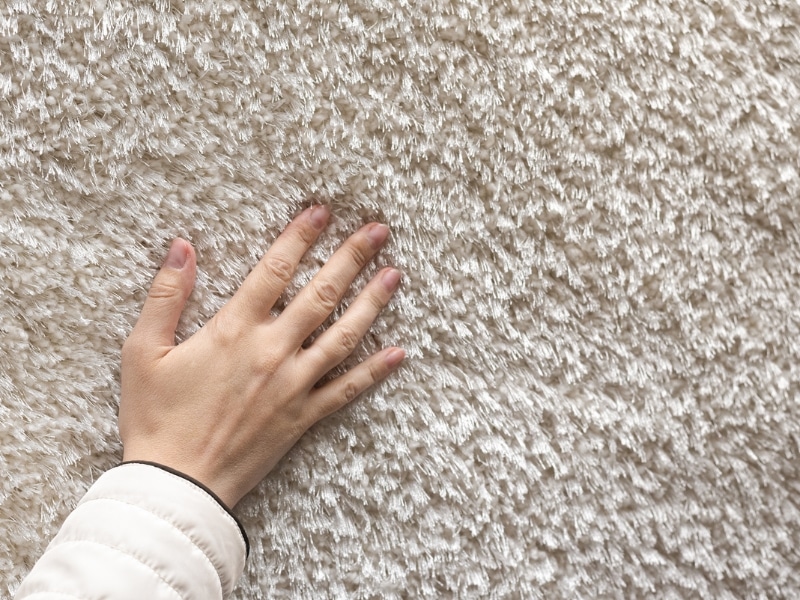
- Nylon offers excellent durability, resists flattening, and feels soft underfoot—perfect for high‑use spots like the hallway or rumpus room.
- Wool is natural and luxurious, cozy and great for warmth, though it needs a bit of care to stay its best.
- Polyester feels plush to start, but heavy furniture or constant walking can flatten it faster.
- Polypropylene is stain-resistant and affordable, though it might not feel as cushy.
If you’ve got pets or kids, nylon or quality blends usually give you more bang for your buck.
Which types of carpet best match high‑traffic vs quiet areas?
You want different things in different rooms. High-use zones need toughness. Bedrooms and lounges can go for comfort. Here are the best type of carpet for home matches for different usage zones:
- High‑traffic corridors benefit from low‑pile, dense nylon or durable triexta, they keep their shape, fight matting, and take heavy use without showing wear.
- Under stairs or on staircases choose loop pile or tightly twisted nylon, these handle constant footfall and reduce crushing.
- Bedrooms, lounges and reading nooks suit plush polyester or soft wool styles, they feel great underfoot and offer cosy comfort.
- Formal sitting or dining suggests cut pile twist wool or luxurious polyester blends, they look refined, bounce back a bit, and add elegance.
Different zones, different needs. Choosing wisely means your carpet still pleases years later—and feels right.
How do carpet colour and pattern choices help hide stains or suit your style?
Let’s face it—spills happen. Colour and pattern can hide dirt or break up the look so wear shows less. But they also change how big a room feels. Here are the reasons colour and pattern choices matter:
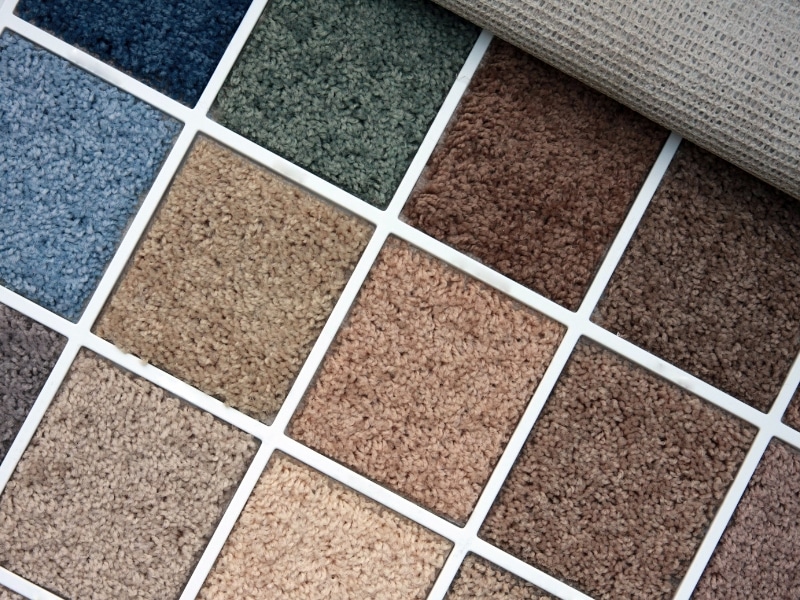
- Darker colours hide dirt better, especially in family zones or near doors.
- Multi-toned patterns mask daily wear, great when you don’t clean every day.
- Lighter shades open up rooms, but they show scuffs fast—so use in lower-use rooms.
- Bold patterns create visual interest, helpful in defining open-plan areas.
- Cool tones add calm, while warm tones make spaces cosy—just pick what suits your vibe.
And if you want to mix things up or try something fun without commitment, check out ways carpet tile patterns enhance room appearance.
Why carpet quality impacts comfort and daily living?
Think of the best type of carpet for home as more than just decoration. High quality makes a room warmer, quieter, and more comfortable underfoot. Cheap stuff saves money now, but you might pay later. Here are the reasons quality carpet changes your daily comfort:
- Denser carpets insulate better, keeping rooms warmer or cooler as needed.
- Tightly tufted piles bounce back faster, so furniture marks and footprints don’t linger.
- Superior underlay reduces joint strain, which is a comfort you’ll notice when walking barefoot.
- Premium backings improve installation, keeping carpet flat and reducing buckles.
Below is a summary comparing fibre and pile types across key performance categories:
| Carpet Feature | Best For | Durability | Comfort |
| Nylon | High‑traffic areas | High | High |
| Wool | Bedrooms, living rooms | Medium‑High | Very High |
| Polyester | Low‑traffic guest rooms | Low‑Medium | High |
| Polypropylene | Playrooms, rentals | Low | Medium |
| Loop Pile | Hallways, stairs | High | Medium |
| Twist Pile | Living rooms, bedrooms | Medium‑High | High |
Also, carpet plays a surprisingly important role in the air you breathe indoors. A well-chosen carpet can trap dust and allergens, but poor quality or poorly maintained flooring can do the opposite. That’s why it’s worth understanding the importance of maintaining good indoor air quality at home when planning your flooring.
Final thoughts on choosing the best type of carpet for your home
In the end, the best carpet is the one that fits how you live—not just how it looks in a showroom. Think about traffic, cleaning habits, comfort, and your style. The right carpet will suit your space and your daily life. If you’d like help picking something that looks good and lasts, discover how Cosy Group transforms living spaces with quality carpets.