
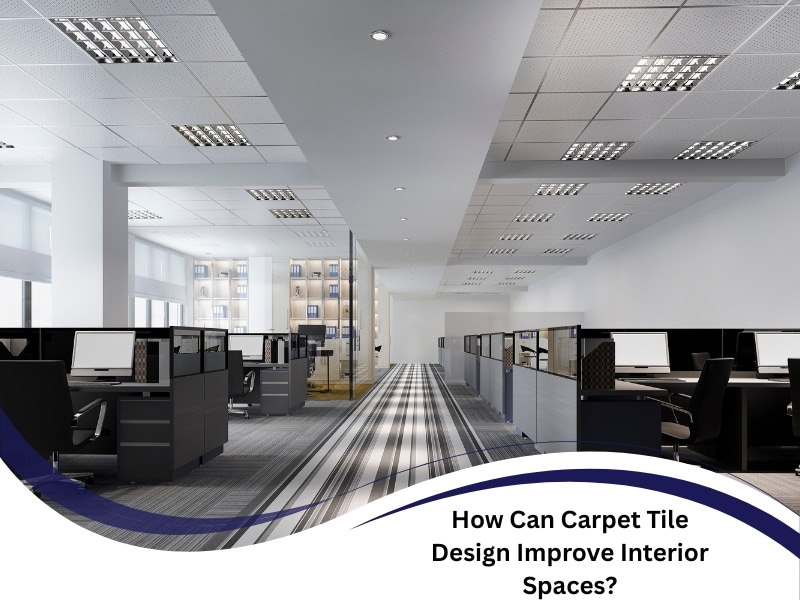
When interior spaces fall flat, flooring is often the culprit. The impact of carpet tile design stretches far beyond colour or texture — it influences mood, movement, and even productivity. In both commercial and residential environments, a smart layout can subtly guide how the space is used, while poor planning creates headaches that are hard to fix later. This article explores how carpet tile design decisions shape visual appeal and long-term function in your interior environment.
Why is it risky to overlook flooring layout plans?
Neglecting the layout stage during a flooring upgrade isn’t just cutting corners — it’s setting yourself up for long-term frustration. Carpet tile design plays a critical role in how space functions and feels, and skipping that groundwork leaves too much to chance. When layout is ignored, you might notice:
- Uneven wear patterns that reduce tile lifespan
- Disjointed walkways that confuse natural movement
- Increased acoustic issues in open-plan spaces
- Clashing transitions between tile patterns and other flooring
Even in a space that looks decent on paper, without a strategic plan, tiles may shift awkwardly against walls or furniture lines. Over time, poor visual balance can make even premium interiors feel thrown together.
For modern workspaces and homes, it’s essential to find high-quality carpet tiles that are ideal for modern environments, aligning with spatial flow and lighting, not just style.
What problems arise from poor carpet tile design?
Problems caused by poor tile design usually don’t show up right away — but once they do, they’re hard to ignore. That’s because surface-level fixes can’t undo foundational layout issues. Some common challenges include:
- Visual clutter from inconsistent patterns or directions
- Maintenance difficulties due to poor tile alignment
- Loss of cohesion with adjacent flooring zones
- Reduced comfort in rooms meant for rest or focus
If design choices aren’t tailored to how a room is used, you’re more likely to waste money on replacements or repairs. In high-traffic environments, it’s worth understanding the benefits of carpet tiles in high-traffic areas to avoid layout pitfalls that lead to wear faster and a tired appearance. One misaligned area can throw off the feel of the entire room, which makes poor layout more than just a cosmetic problem — it affects daily usability.
Where does poor carpet tile design most often go wrong?
Aggravation tends to creep in from the same few trouble spots. These are the moments when function is sacrificed for looks, or worse — when no clear intent was set from the start. Design tends to fall short when:
- Tiles are cut too close to walls or obstructions, causing fraying
- Pattern direction isn’t consistent across open areas
- Light sources aren’t considered in colour choice
- Corners and transitions lack symmetry
Choosing looks over logic can backfire in busy environments where consistency is key. And in small spaces, scale becomes especially important. Layouts that ignore room dimensions often waste usable square metres. This is particularly true in compact or multi-use rooms. It’s worth knowing why is fitting carpet tiles are ideal for small spaces, especially when working with irregular flo
What makes a carpet tile design both stylish and practical?
It’s a balancing act — design has to serve both looks and lifestyle. Functionality doesn’t mean boring, and bold patterns don’t have to sacrifice wearability. A smart carpet tile design achieves both by:
- Matching layout direction with natural movement patterns
- Using durable materials suited to each room’s purpose
- Selecting colours that reflect light and enhance space
- Incorporating breaks or borders to define zones
The right tile pattern can subtly guide foot traffic and create visual harmony across open-plan areas. But to get it right, the design must be tailored to the room’s unique function.
Additionally, thinking practically about material types and backing ensures the layout holds up over time. That’s a vital step in improving air quality by reducing dust-holding surfaces, especially in allergy-sensitive households or commercial environments.
How does colour coordination affect carpet tile design?
Colour isn’t just about looks — it heavily affects the mood and use of a space. Without coordination, even the most expensive flooring can make a room feel off. A strong colour strategy will:
- Enhance perceived space in small or dark rooms
- Support branding in commercial spaces
- Prevent visual fatigue in high-use areas
- Help delineate work zones from social spaces
Mismatched tones or overly bold palettes can quickly overwhelm a room, especially when not anchored with neutral tiles. Choosing complementary tones helps the entire layout flow more naturally. In areas with foot traffic in multiple directions, colours can subtly indicate pathways or zones without the need for physical barriers. This makes colour one of the most cost-effective design tools — if used thoughtfully.

What role does symmetry play in floor layout design?
Symmetry gives a space calmness and order — and when carpet tiles lack it, the result can feel messy even if everything’s aligned. Good floor layout design uses symmetry to:
- Anchor focal points such as reception desks or lounge settings
- Keep patterns consistent across angles and doorways
- Reduce distractions in formal or high-visibility spaces
- Complement the geometry of walls and windows
If tiles are laid haphazardly or without reference to key fixtures, even well-installed flooring can feel visually off. That disconnect doesn’t just affect aesthetics — it can make daily movement awkward or uncomfortable. By mapping symmetry ahead of time, you avoid unnecessary cuts and preserve pattern clarity. Even better, that foresight often leads to more efficient tile usage with less waste.
How do layout decisions influence long-term interior appeal?
Flooring layout sets the stage for how rooms age. A smart layout accommodates changes in usage, furniture, and lighting over time. Tiles that allow for easy replacement or rearrangement lower long-term costs and effort.
- Modular layouts support updates without complete replacement
- Strategic zoning reduces uneven wear across the space.
- Aligned tiles retain visual appeal even with furniture movement.
- Seamless transitions between zones make spaces feel cohesive.
Planning your layout with longevity in mind helps spaces feel fresh longer. You don’t need to overhaul the design every few years if the layout flexes with you. For a practical next step, consider how Cosy Group can provide tailored carpet flooring solutions that align your space with both style and function.