
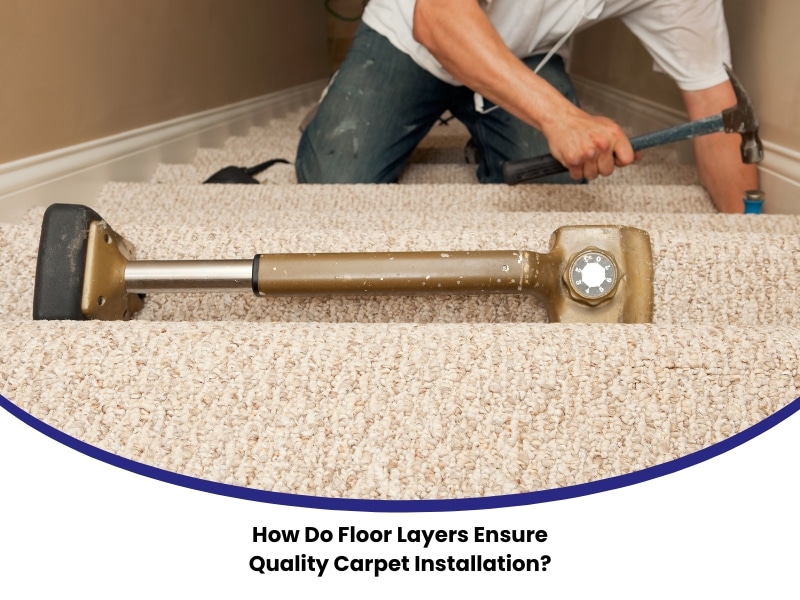
A flawless carpet installation doesn’t happen by chance — it’s the result of skilled floor layers working with precision and care. These professionals do far more than simply roll out carpet. From preparing your subfloor to aligning seams and selecting the right materials, their role is critical to achieving a polished result. If you’ve ever wondered how they make it look easy, you’re not alone. Quality carpet installation isn’t just about looks. A poorly laid carpet can ripple, bunch, or wear unevenly, ultimately costing you more in the long run. And let’s face it — no one wants their freshly renovated lounge room to show wrinkles within weeks. That’s why hiring experienced floor layers can make all the difference. They understand which materials work best, how to prepare different surfaces, and which steps are essential for a durable finish. In this blog, we’ll break down the specific steps floor layers take to ensure a high-quality result — from start to finish. You’ll also learn how the right underlay, carpet type, and installation methods contribute to a more comfortable, longer-lasting floor.
What role do floor layers play in achieving the perfect carpet finish?
The finishing touch of any carpet job depends mainly on the floor layer’s attention to detail. These tradies aren’t just labourers — they’re specialists trained in subfloor assessment, cutting techniques, and seam alignment. Their work determines whether your carpet lies flat, withstands traffic, and remains secure over time. Key responsibilities of professional floor layers include:
- Inspecting and levelling subfloors
- Accurately measuring and cutting materials
- Aligning carpet joins to prevent visibility
- Using power stretchers for a snug fit
- Applying adhesives or tack strips properly
One of the biggest causes of carpet failure is a subfloor that wasn’t prepped correctly. Uneven surfaces lead to bumps or gaps underfoot. Professional layers avoid this by inspecting and correcting every millimetre before the carpet even comes into the room.
And it’s not all muscle work — choosing the best carpet and tools for the job is just as important. With experience, floor layers know when to recommend plush pile versus loop or nylon over wool. This expertise is why many homeowners turn to reliable floor layers for long-lasting carpet flooring. Their reputation rests on consistent results and satisfied clients.
How do floor layers prepare your home before installing carpet?
Installing carpet without proper preparation is like painting a wall without primer. A skilled floor layer understands that thorough preparation is what ensures longevity and visual appeal. Before the carpet even arrives, floor layers will:
- Clear old flooring or adhesives
- Sweep, vacuum, and clean the subfloor
- Patch holes or smooth uneven spots
- Remove skirting boards or trim as needed
- Take final room measurements
They also ensure the indoor environment is suitable — stable temperature and humidity are crucial. If it’s too humid, the carpet might stretch or shift post-installation. This stage is where the most common installation mistakes occur when done DIY. Skipping steps here can lead to issues such as odours, mould, or poor adhesion. A seasoned installer prevents these problems early. And when it comes to costs, many customers don’t realise how much prep affects pricing. Knowing carpet flooring installation helps explain how preparation influences the final quote.
It’s all about laying solid groundwork — literally and figuratively.
Which types of carpet flooring are best suited for professional installation?
Not all carpets behave the same under pressure. Some are tricky to cut, others are prone to fraying, and a few are downright stubborn when stretched. That’s why professional input makes a world of difference when selecting carpet for your space. Popular carpet types for professional installation include:
- Wool — luxurious but sensitive to moisture
- Nylon — durable and resilient in high-traffic zones
- Polypropylene — budget-friendly but prone to flattening
- Cut pile twist — ideal for hiding footprints
- Loop pile — hard-wearing but harder to seam
Some carpets, like plush velvet or patterned loops, require precise alignment. Floor layers ensure that patterns match at joins and that pile direction flows in the correct direction across rooms. This is where expert comparisons come in handy.
Here is a comparison of common carpet types:
| Carpet Type | Durability | Comfort Level | Maintenance Needs |
| Wool | High | High | Medium |
| Nylon | Very High | Medium | Low |
| Polypropylene | Low | Medium | Low |
| Cut Pile Twist | Medium | High | Medium |
| Loop Pile | Very High | Low | Low |
If you’re comparing carpet types with expert advice, you’ll avoid mismatches and premature wear. Professional installers tailor your choice to how you live — whether that’s with pets, kids, or heavy furniture. The right carpet isn’t just about feel underfoot; it’s about how it performs long-term.
Why do floor layers recommend specific underlay options for carpets?
If you think carpet is all about what you see, think again. Underlay is the hidden hero behind every soft step and sound-muffled room. Floor layers take underlay seriously — and for good reason. Recommended underlays often vary by:
- Carpet thickness and pile type
- Subfloor material (timber, concrete, etc.)
- Room use (bedroom vs hallway)
- Acoustic or thermal requirements
- Budget and warranty conditions
A quality underlay adds insulation, reduces wear, and improves comfort. Go too thin, and your carpet feels hard. Go too thick, and it could bunch or wrinkle. Floor layers strike the right balance — and will flag cheap foam that breaks down in months. Many warranties even require specific types of underlay.
Professional installers know which products protect both your carpet and your pocket. They’re also across national standards and training. The skills they apply are built on frameworks like professional carpet covering installation competency requirements that ensure every layer knows their trade. Ignoring underlay advice is like skipping sunscreen — you might not notice the damage straight away, but it’s coming.
How can professional carpet installation improve the durability of flooring?
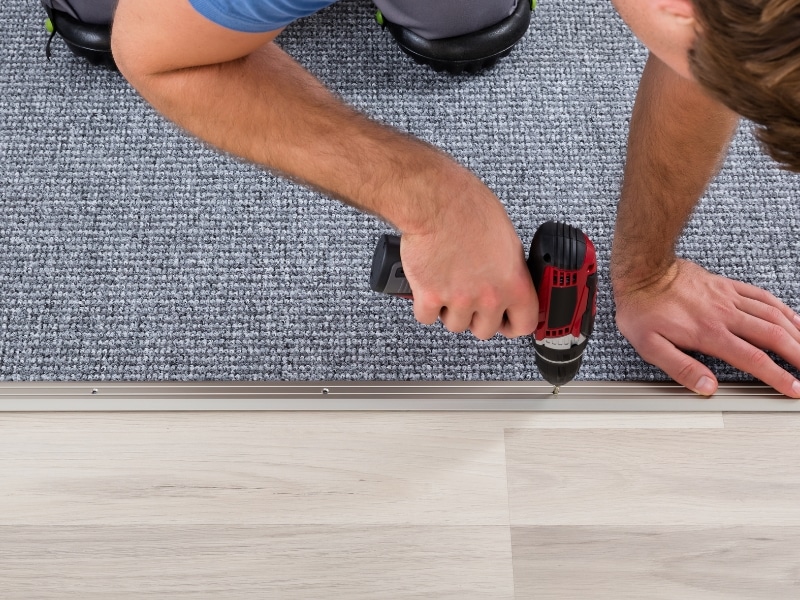
Proper installation doesn’t just make your carpet look good — it makes it last. The difference between five years and fifteen often comes down to how your carpet was laid. Here’s how floor layers boost durability:
- Stretching carpet to prevent ripples and wear
- Double-checking seams for future fraying
- Choosing adhesives that hold in Aussie climates
- Advising on furniture placement and movement
- Preventing moisture entrapment with breathable layers
A solid installation can reduce the risk of buckling, delamination, and edge fray — all things that can prematurely damage your carpet. The upfront investment in a skilled floor layer often pays off in fewer repairs and a longer refresh cycle. You won’t be lifting corners to tack them down or hiding joins under furniture. Many carpets also settle better over time when installed correctly — meaning fewer callbacks and headaches down the road.
Final thoughts
If you’re aiming for long-lasting, great-looking carpet, a professional floor layer isn’t optional — they’re essential. These professionals combine trade skills with product knowledge to give your flooring a head start and keep it performing strongly for years. And when you’re ready for that next flooring upgrade, don’t go it alone. For tailored advice, timelines, and transparent quotes, consider guidance from Cosy Group. We’ll help you bring comfort and durability home — without the drama.